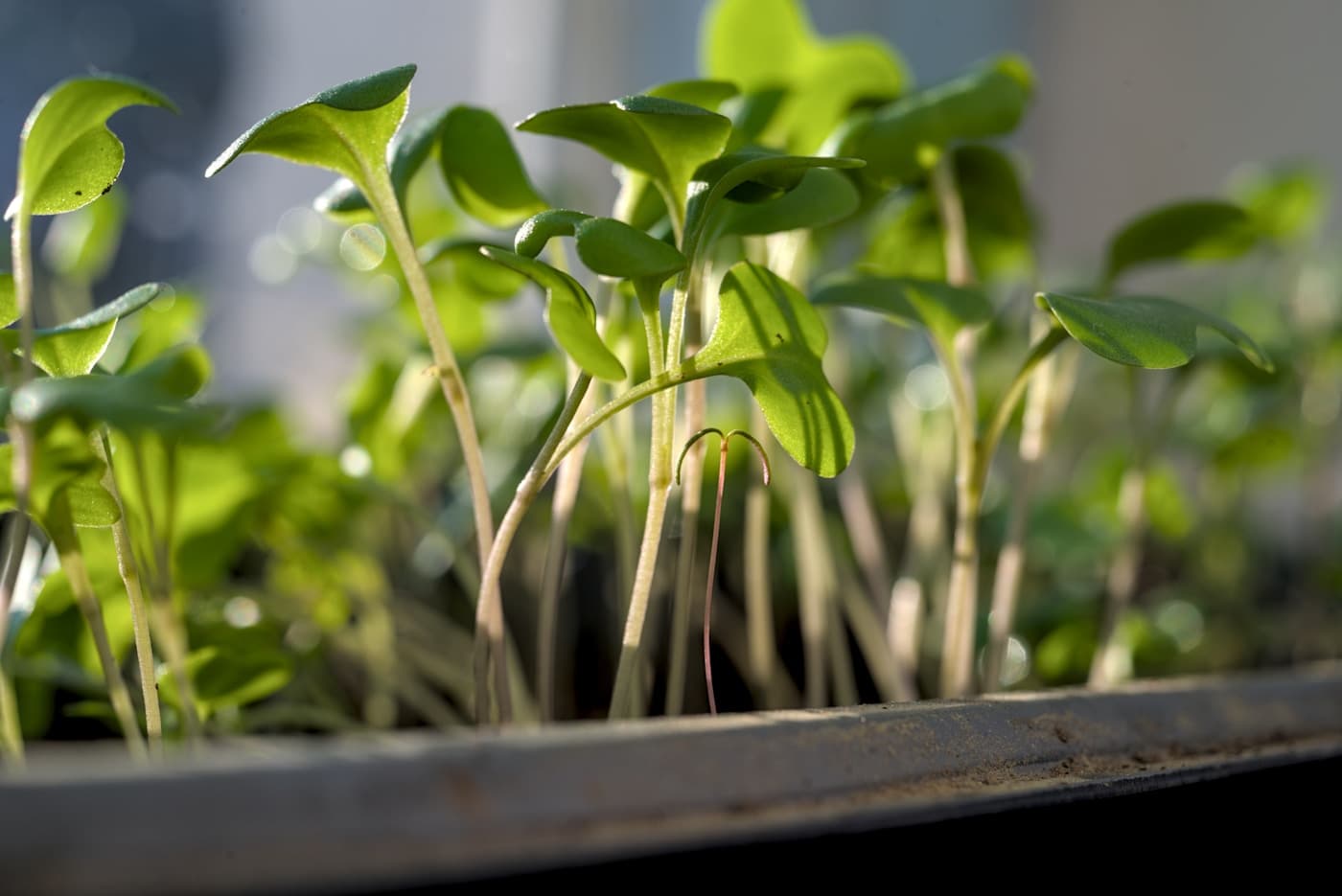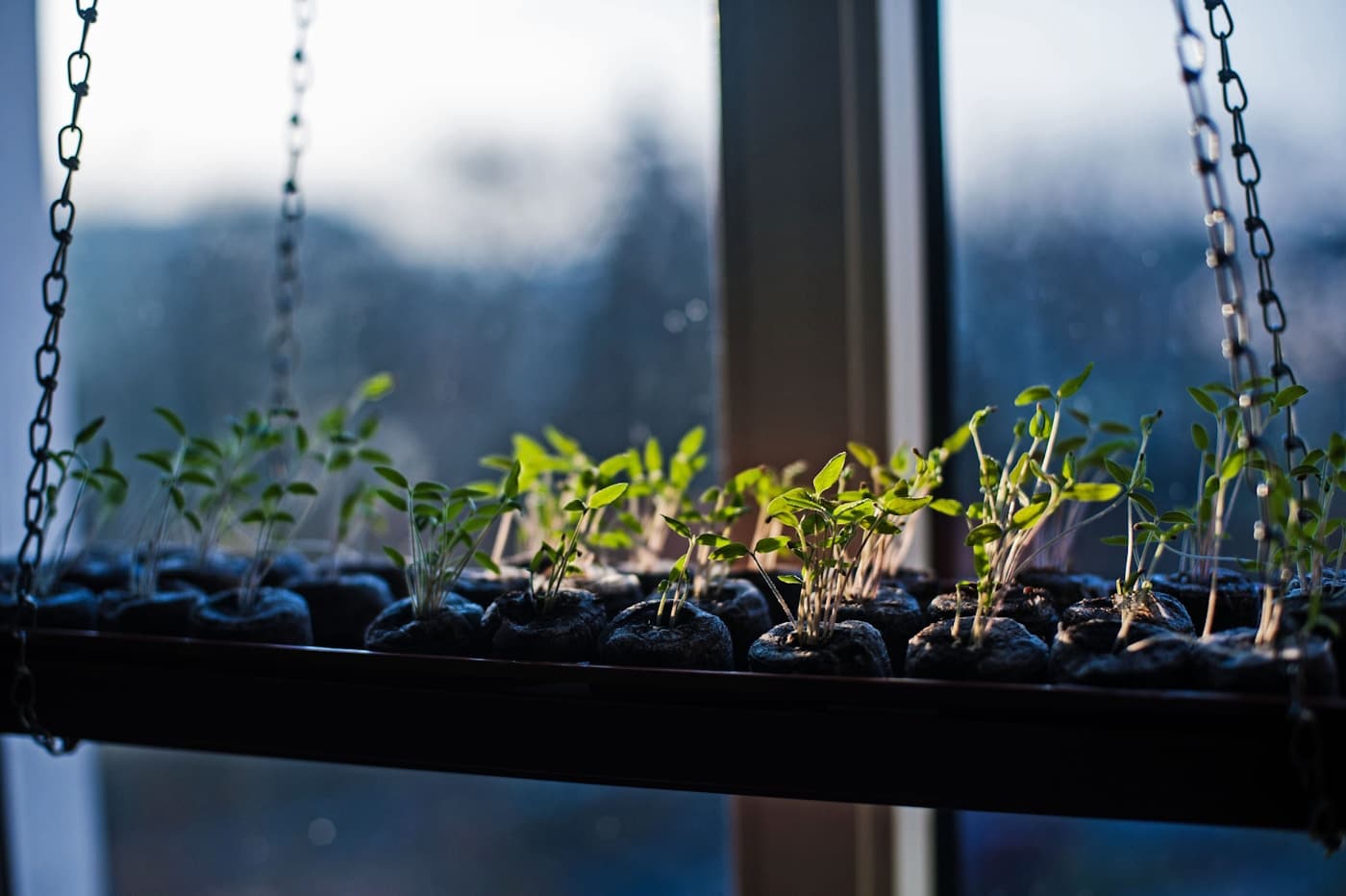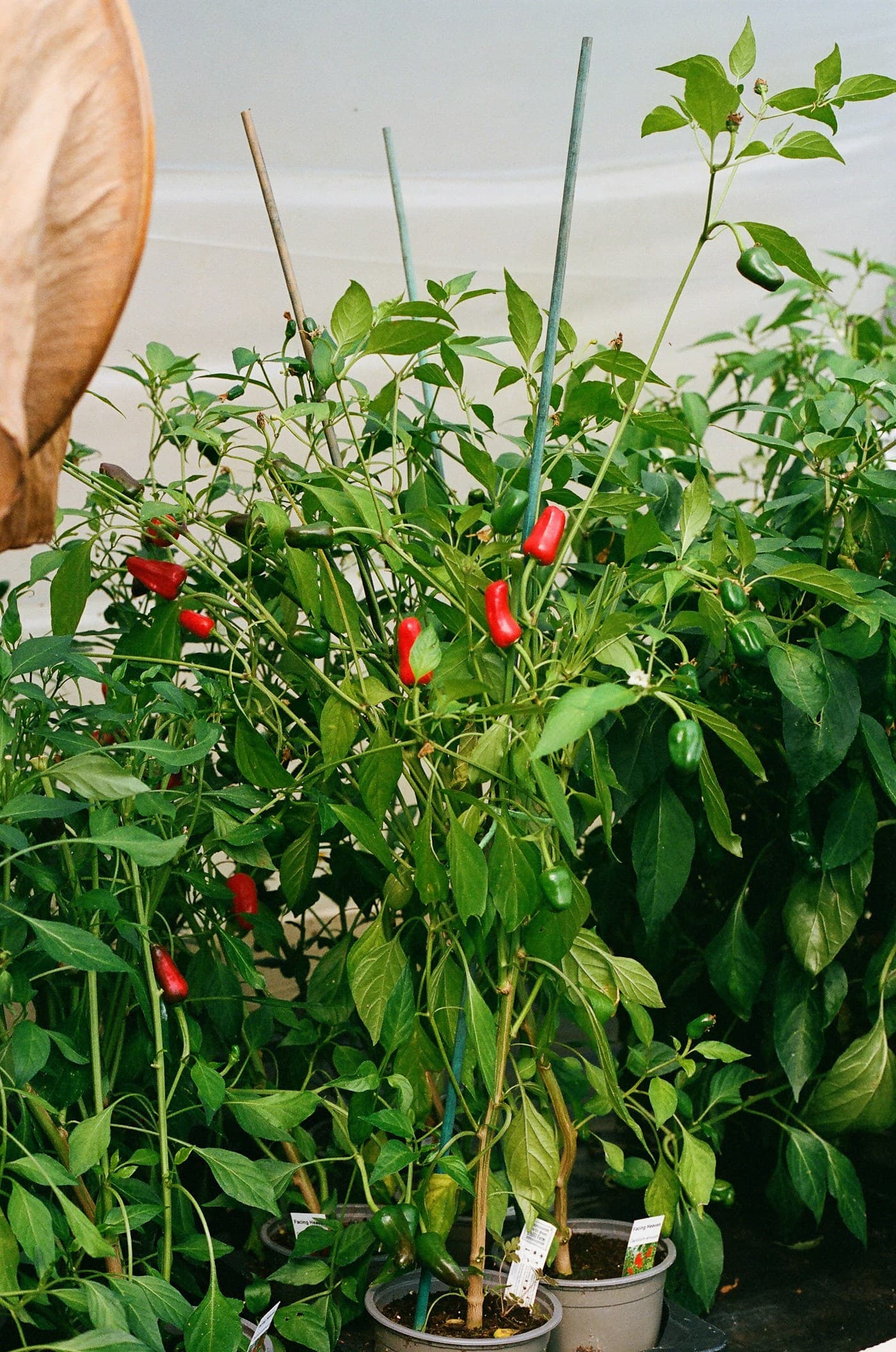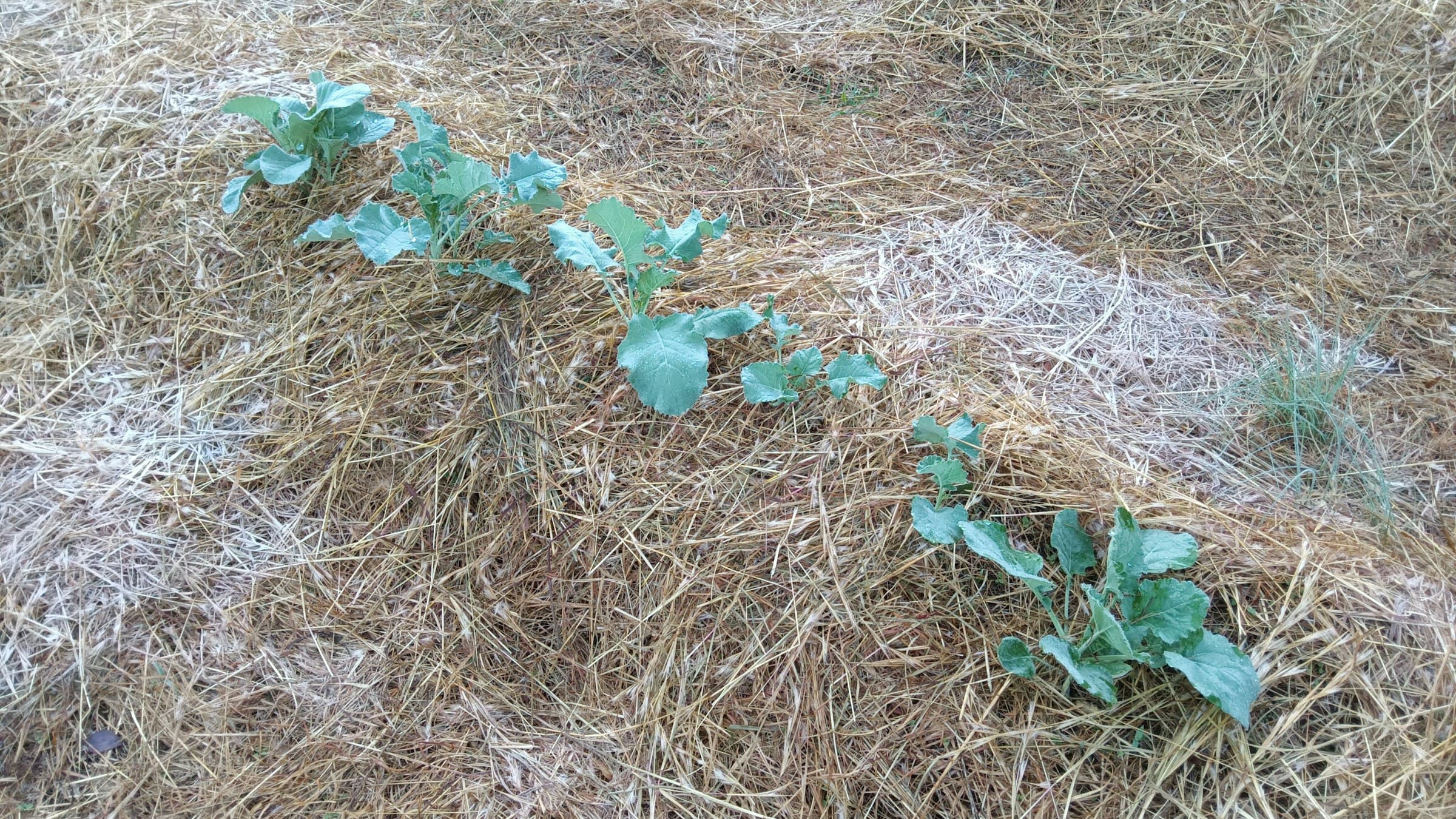
Editorial photo by Ludwig Theodor von Ruhm on Unsplash.
View original photoPlanting zones help you estimate the season, but they cannot replace local weather and soil checks.
Cool-season and warm-season vegetables behave very differently inside the same zone.
The safest workflow is zone first, forecast second, then a final decision based on real garden conditions.
What a vegetable planting calendar by zone is actually good for
A planting calendar by zone is useful because it gives you a rough seasonal frame. If you live in a colder zone, you can assume spring warm-up will usually come later than it does in a milder zone, and your fall finish may come sooner. That big-picture view is helpful when you are deciding what crops are realistic, when to start seeds indoors, and when to begin watching for your next planting window.
The problem starts when gardeners treat zone charts as exact instructions. A zone tells you about average annual winter low temperatures, not the full rhythm of your spring or fall. It does not tell you whether the bed is soggy after a week of rain, whether your patio gets extra reflected heat, or whether a late frost is about to land after a beautiful weekend. In other words, zone is a helpful shortcut, but it is not a complete calendar by itself.
- Use the zone chart to narrow the season, not to set a single rigid date.
- Think of zone as the first pass in planning, not the final planting decision.
- Keep local frost patterns and short-term weather in the same conversation from the start.
What a zone cannot tell you on its own
Two gardeners in the same zone can still have very different planting conditions. Elevation, wind exposure, coastal influence, urban heat, heavy clay soil, and raised beds all change how a garden behaves. One yard might dry and warm quickly in spring while another stays cold and sticky well into the same month. A generic zone chart cannot see those differences.
That matters most with vegetables that resent cold setbacks. Tomatoes, peppers, cucumbers, squash, and beans may all fit the broader season in your zone, but that does not mean they should go in as soon as a chart says they can. Warm-season crops need the whole setup to cooperate: milder nights, workable soil, and a forecast that is not about to reverse. Zone helps you know when to start paying attention, but real timing still comes from the conditions in front of you.
- A zone chart does not measure soil temperature.
- A zone chart does not account for late frosts or cold rain in the next 7 to 10 days.
- A zone chart does not know whether your garden is a warm pocket or a frost-prone low spot.
Use the same zone differently for cool-season and warm-season crops
One of the most common mistakes in zone-based planning is assuming every vegetable belongs on the same spring timeline. Cool-season crops such as spinach, peas, lettuce, radishes, onions, and many brassicas are often ready to move earlier. They tolerate chilly air better, and some even improve when they mature before summer heat pushes them too hard.
Warm-season crops need a different mindset. Tomatoes, peppers, eggplants, beans, cucumbers, melons, and squash do not care that the calendar says spring has started if the root zone still feels cold. These plants do not just wait politely in bad conditions. They stall, yellow, sulk, or start the season so slowly that you lose the early advantage you thought you were gaining. Inside any zone, you need at least two schedules: one for crops that can use the cool part of the season and one for crops that should wait for real warmth.
- Group crops by temperature preference before you rely on any chart.
- Use early windows for cool-season vegetables and protected seed starting, not for forcing summer crops into cold soil.
- If a crop loves heat, wait for a weather window that looks stable rather than merely possible.
Refine the zone chart with frost timing, soil warmth, and microclimate
Once you know your approximate seasonal window, the next layer is refinement. Frost timing matters because a zone cannot tell you whether your average last frost usually lands in early April or late May. Soil warmth matters because seeds and roots respond to the ground they are actually sitting in, not to a map. Microclimate matters because a raised bed beside a fence can behave very differently from an in-ground bed in an exposed corner.
This is where a weather-aware planting calendar becomes far more useful than a static chart. Instead of asking only, 'What zone am I in?', ask, 'What has the weather been doing lately, what is it about to do next, and how does this part of my yard usually behave?' That shift turns a broad guess into a workable plan. You do not need perfect data to make a better call. You just need to stop treating zone as the only input.
- Check the short-term forecast before planting anything sensitive.
- Pay attention to whether the soil is warming and workable rather than cold and sticky.
- Use what you know about your own yard, especially if some beds warm faster than others.
A simple planning workflow for home gardeners
A practical workflow starts with the zone chart only because it helps you avoid planning completely out of season. From there, sort your crops into cool-season and warm-season groups. Estimate your indoor seed-start timing if needed, then move to the forecast and recent weather trend. If the next week looks mild and your soil is cooperating, you can move forward. If not, you wait, protect, or start indoors instead of forcing the issue.
This is also the point where many home gardeners benefit from a live planting calendar. A weather-based tool can help you compare crops against current conditions rather than against a static chart you found once and never adjusted. That does not replace common sense, but it does make decision-making calmer. Instead of wondering whether you are late or early, you can focus on whether the next step matches the weather you actually have.
- Start with zone to frame the season.
- Separate cool-season and warm-season decisions.
- Use recent weather, forecast, and soil condition to confirm the next move.
Why local timing beats a generic chart in the real garden
The gardeners who get the most from zone charts are the ones who do not stop there. They use the chart to orient themselves, then they watch the real signals that affect plant growth. That might mean sowing lettuce earlier than expected because the bed dried out quickly and the forecast is calm. It might mean holding tomatoes a week longer because nights are still dragging and the soil feels cold under the surface.
That approach is less flashy than memorizing a zone number, but it is more useful. Home vegetable gardening works better when timing stays flexible. If a zone chart gets you started, great. Let it do that job. Then hand the final decision over to weather, soil warmth, and the way your own garden behaves. That is how a vegetable planting calendar by zone becomes a good planning tool instead of a source of avoidable mistakes.
- Better planting decisions come from combining broad seasonal guidance with current local conditions.
- A small delay into better weather often beats an early start into bad conditions.
- Use the planting calendar when you need help translating broad timing into an actual next step.
Zone is the starting point, not the final authority
If a zone chart says it is time but the bed is cold, the nights are sliding, or a frost risk is still hanging around, the chart is no longer the best tool in front of you. Let local conditions win the argument.
- Keep zone, frost timing, and forecast in the same planning stack.
- Use cool-season crops to make progress while you wait for warm-season weather.
- Treat the live planting calendar as the final timing check before you plant.
Quick answers before you head back outside
These are the questions that usually come up once the guide turns into real garden work.
Is a planting zone the same thing as a frost date?
No. A zone reflects average winter cold, while frost dates describe the seasonal timing of likely spring and fall frosts. You need both pieces of information, plus current weather, to make better planting decisions.
Can I plant by zone only if I am growing vegetables in containers?
Containers can warm faster, but they still respond to cold nights, wind, and sudden weather swings. Zone is still only a starting point, even when you are growing in pots.
Why do gardeners in the same zone plant at different times?
Because elevation, soil type, exposure, raised beds, nearby buildings, and local weather patterns all change how fast a garden warms and how much cold it holds. A shared zone does not create identical conditions.
What is the easiest way to improve a zone-based planting plan?
Use the zone chart to frame the season, then check a local planting calendar, short-term forecast, and soil condition before you plant. That small extra step prevents many avoidable timing mistakes.